

Blog
Types of Rugs to Include in Your Home

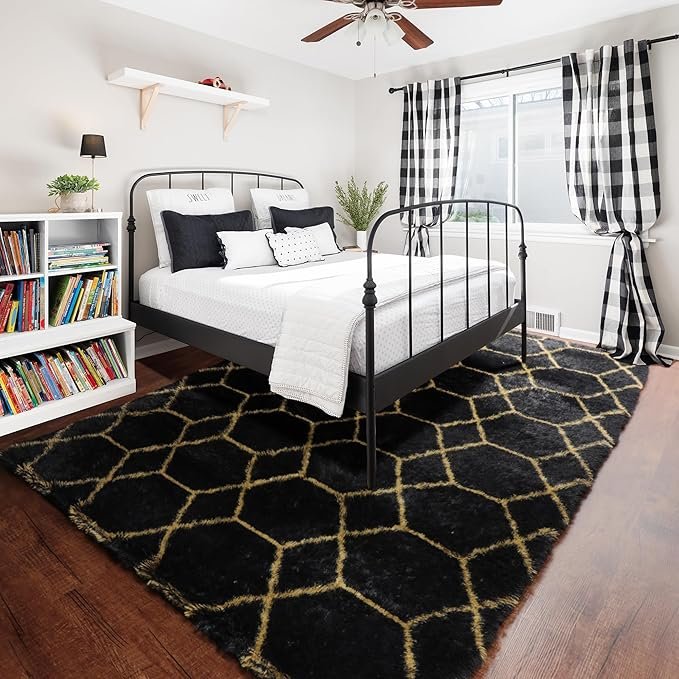

There are a variety of rug styles, weave types, and patterns that have an impact on rug appearance, durability, and comfort level. Here are 19 types to consider, including where they work best in your home.
1. Berber

Berber rugs are tightly constructed rugs primarily made of wool or nylon woven into short, thick loops. This adds to their comfort underfoot but also makes them durable enough to go in high-traffic spots of your home. As for design, they’re mostly light-colored with darker-colored flecks scattered throughout the design or pattern.
2. Shag

Shag rugs have heavy, loose piles typically made of wool or faux fur. These long piles allow shag rugs to add more texture to rooms, because the piles look as if they are popping out of the rug. These piles are long enough for you to run your fingers through and soft to the touch. Due to their thickness, these rugs are best suited for low-traffic areas like dens or bedrooms.
3. High-Low

High-low rugs use a mix of different pile heights to create eye-catching texture and a 3D design. From high-low geometric patterns to 3D-like floral designs, there are so many fun options. Due to their differing pile heights, these are also best suited for low-traffic areas.
4. Flokati

Flokati rugs are very similar to shag rugs since they contain lengthy piles, but the main difference is that the piles in flokati rugs are even longer and fluffier. This is because they’re commonly made with heavier sheep wool.
5. Kilim

Kilim rugs are flat-woven with wool and cotton materials to create a durable surface that’s suitable for high traffic areas. True to their “flat-woven” construction, kilim rugs are low-pile and typically feature an intricate design like in the picture above.
6. Dhurrie

Dhurrie rugs are very similar in nature to kilim rugs because of their flat, thin makeup and materials. The designs of these rugs are what distinguishes them from one another. Kilim rug designs are more bold in color and shape, whereas dhurrie rugs are more neutral and feature more geometric patterns. Like kilim rugs, dhurrie rugs are suitable for high- and low-traffic areas alike.
7. Hand-Knotted

Hand-knotted rugs have a very distinct look and a complex production process that lends to their durability and overall appearance. Instead of appearing flat like a flatweave rug, hand-knotted options have more details and small knots that pop out to give the rug more texture. Since they have densely packed knots, they have a higher quality than most rugs and are very durable, attractive choices for heavily trod areas.
8. Tufted

Tufted rugs utilize a different weaving technique. Instead of being composed of knots, the weaving style features loops of yard that are pulled from behind to create a smoother surface than hand-knotted rugs. This also makes them super comfy to walk on. Tufted rugs with low-pile heights can go in high-traffic areas but those with thicker pile work best in low- to moderate-traffic rooms.
9. Loomed

A loomed rug is woven via a computerized machine (a power loom!). The computer-controlled loom creates the rug pattern and style based on a particular pattern. Since loomed rugs are made with machinery and electronics, they’re produced at a quicker rate and are often more affordable than handmade alternatives. Their durability and placement depends on the materials they’re made with.
10. Flatweave

Flatweave rugs are machine-made with the same technique as loomed rugs. The difference between the two is the pile height. The piles of a flatweave rug are shorter and smaller, giving it a flat and thin appearance. The piles of a loomed rug are fuller, thicker, and more plush. Flatweave rugs are a favorite for high traffic rooms, entryways, hallways, and even outdoor spaces!
11. Braided

The weaving on braided rugs is different in the sense that their fabric is woven inward to create a true braid. Braided rugs come out in an oval and circular shape instead of the traditional square or rectangle rug. They are a true statement piece for your floor
12. Hooked

Hooked rugs have a weave that is made by hooking the fabric through the backing to produce a pile that is longer and taller than other techniques. Since these rugs have taller piles, you get to enjoy extra plush comfort. However, this also means they work best in rooms with low- to moderate-traffic.
13. Hide/Pelt

Cowhide or pelt rugs are designed to make a statement. Traditional cowhide rugs are made from the actual hide of the animal – giving you a one-of-a-kind look. There are also faux cowhide rugs designed to look like the real thing, but they’re more affordable and come in more diverse color options. Due to their natural durability, hide rugs can go practically anywhere.
14. Jute

Jute and sisal rugs infuse rooms with natural fiber and texture, which makes them a staple in a wide range of home aesthetics. These are usually hand-knotted or woven and ultra-durable, allowing them to go in both low- and high-traffic spots.
15. Polypropylene

Polypropylene rugs are synthetic rugs that are durable, stain-resistant, and even machine-washable, making them an ideal choice for busy homes. Because they’re synthetic, they also come in a wider range of vibrant colors than natural fiber rugs.
16. Oriental-Inspired

Oriental-inspired rugs feature stunning multicolored patterns and fit seamlessly in traditional, boho, or farmhouse interiors, alike. Some have a purposeful faded design to give the appearance of a vintage rug.